Fox Comic: A Dramatic Color Font for Editorial Design
Typography plays a crucial role in editorial design, shaping how readers perceive and interact with content. Whether you're designing a magazine cover, crafting an ebook title, or setting the tone for a blog post, choosing the right font can elevate your publication from ordinary to extraordinary. Enter Fox Comic, a vibrant color font that brings personality and visual flair to any project. Designed for those who want to make a bold typographic statement without sacrificing clarity, Fox Comic is ideal for titles, headers, pull quotes, and branding elements across blogs, newsletters, magazines, and digital products.
Visual Characteristics and Personality of Fox Comic
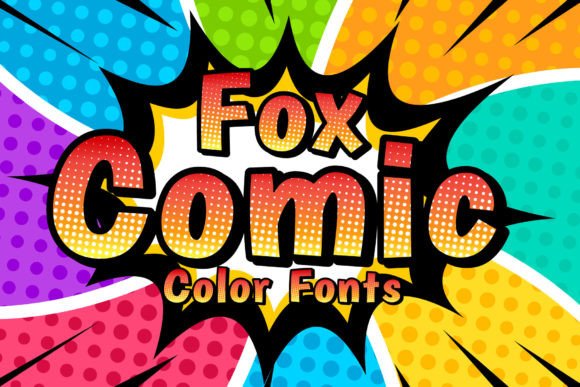
Fox Comic is a display typeface that exudes energy and creativity. Its playful yet structured forms are reminiscent of comic book lettering — think classic superheroes with a modern twist. The inclusion of color layers adds depth and dimension, making it stand out on both digital screens and printed materials. Each character is designed to capture attention, with exaggerated strokes, dynamic angles, and expressive details that evoke movement and drama.
The font’s bold nature makes it particularly suited for situations where emphasis is key. Unlike many script or handwritten fonts that can be difficult to read at larger sizes, Fox Comic maintains legibility while still delivering a high-impact visual presence. It’s not just a decorative choice; it's a strategic one for guiding reader focus and reinforcing thematic elements in your design.
Using Fox Comic in Editorial Design
In editorial contexts, Fox Comic shines as a tool for creating strong visual hierarchies. Here’s how it can enhance different aspects of your publishing work:
Magazine Covers and Ebook Titles
For magazine covers or ebook titles, Fox Comic can serve as a headline font that grabs attention instantly. Its dramatic style works especially well when paired with clean, minimalist layouts. The contrast between the lively font and a subdued background helps highlight the title and sets the tone for the publication. Imagine using Fox Comic for a graphic novel-style article series or a themed issue about pop culture — it fits seamlessly into such narratives.
Blog Headers and Newsletter Graphics
Blogs and newsletters often benefit from a consistent but engaging header style. Fox Comic can be used for main headers or featured article titles, adding a touch of fun and excitement to otherwise standard layouts. In newsletter graphics, it’s perfect for headlines or call-to-action buttons, especially in sectors like entertainment, lifestyle, or youth-oriented content. The font’s readability ensures that even though it’s stylized, it won’t hinder user experience.
Pull Quotes and Section Headings
When designing pull quotes or section headings, Fox Comic allows you to draw the eye toward key points within an article. Its unique character shapes and layered colors help differentiate these elements from body text, which is essential in long-form content. This can improve skimmability and guide readers through complex articles or guides more easily.
Quote Layouts and Branding Elements
Creating quote graphics for social media or printables? Fox Comic can add a sense of urgency and creativity. For example, a motivational quote styled in Fox Comic could look like something pulled straight from a comic book panel, giving it an authentic and engaging feel. As part of publication branding, this font can be used sparingly for logos, chapter openers, or special feature sections, helping to build a recognizable visual identity.
Readability and Practical Considerations
While Fox Comic is best suited for display purposes, it's important to consider its limitations in terms of extended reading. The font's stylized features and color layers may become distracting if used in body text or small captions. However, when applied correctly — such as in large headers or short bursts of text — it enhances rather than hinders readability.
Its performance is also notable across various platforms. On digital publications, the color font renders beautifully on web pages and PDF exports, ensuring consistency whether your audience reads on desktop or mobile devices. When preparing for print, it’s advisable to test rendering quality, as some printers may handle color fonts differently depending on their software compatibility.
Font Pairing Strategies for Editorial Use
To maintain balance in your designs, pairing Fox Comic with complementary fonts is essential. Because it’s a display font, it pairs well with readable serif or sans serif fonts for body copy. For instance, using Fox Comic for a blog header and then switching to a clean sans serif like Lato or Helvetica Neue for the article body creates a harmonious contrast. Similarly, in a recipe ebook, Fox Comic might be used for the title page, while a softer, more traditional typeface supports ingredient lists and instructions.
If you're working with a brand identity that leans toward the whimsical or artistic, Fox Comic can act as a secondary accent font alongside a more neutral primary font. This approach keeps the overall layout professional while injecting a creative spark in key areas.
Real-World Applications of Fox Comic
Let’s explore a few practical scenarios where Fox Comic can shine:
- Lifestyle Blog: Use Fox Comic for seasonal posts or themed categories like “Weekend Escapes” or “Creative Living.” The font adds a youthful and energetic vibe that aligns well with lifestyle content.
- Wedding Guide: Incorporate Fox Comic in chapter openers or feature boxes for a modern, fun take on wedding planning tips or vendor highlights.
- Coaching Workbook: Apply it to action prompts or key insights to make them visually distinct and memorable.
- Digital Magazine: Feature it in editorial spreads or for special issues that aim to engage younger audiences or celebrate pop culture themes.
- Printable Planner: Add it to weekly goals or motivational prompts for a dynamic visual lift.
- Creator Newsletter: Use it for section dividers or to emphasize new course launches or product announcements.
Multilingual Support and Included Styles
Depending on the version you purchase, Fox Comic may include multiple styles such as alternates, ligatures, and weights, allowing for greater flexibility in design. These variations enable you to customize your use of the font across different languages and cultural contexts, which is invaluable for international publications or multilingual content creators.
Always check the included glyphs and language support before finalizing a project, especially if your publication targets a global audience. Some color fonts come with limited language options, so verifying coverage for your specific needs is a smart step in the design process.
Commercial Licensing and Legal Considerations
One of the advantages of Fox Comic is its availability as a commercial font. If you’re using it in paid ebooks, client projects, lead magnets, worksheets, or other digital downloads, ensure that the license you’ve purchased permits such usage. Many premium font providers offer flexible licensing options tailored to editorial and publishing needs.
It’s always wise to review the terms of the font’s license agreement, particularly if you plan to embed it in templates or use it across multiple platforms. Proper licensing not only protects your legal standing but also supports the font designers who bring tools like Fox Comic to life.
Conclusion
Fox Comic is more than just a flashy typeface — it's a valuable asset for editorial designers looking to infuse their publications with a unique voice. Its blend of structure and playfulness makes it suitable for a wide range of editorial applications, from striking magazine covers to interactive quote graphics. By thoughtfully integrating it into your design workflow and pairing it with appropriate supporting fonts, you can create layouts that are both visually compelling and easy to navigate.
Whether you're a blogger, publisher, or content creator, Fox Comic offers a fresh way to present your ideas and connect with your audience. It’s a reminder that typography isn’t just about function — it’s about expression, mood, and storytelling.