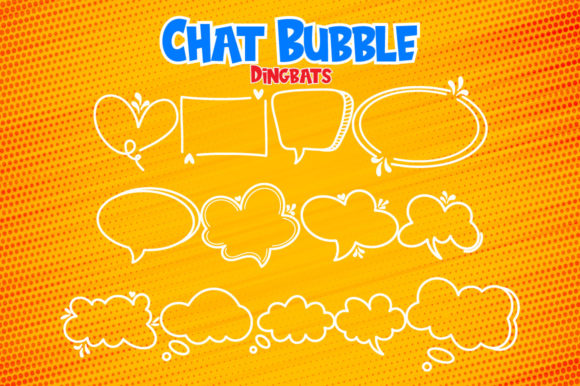
Chat Bubble Font: A Playful Typeface for Digital Design
I was designing a landing page for a boutique online shop that sells handcrafted greeting cards and custom stickers when I first stumbled upon the Chat Bubble font. It caught my eye while I was looking for something unique to elevate their hero section without going over the top. As I tested it in the headline, the playful and conversational vibe of the typeface immediately stood out—it felt fresh, approachable, and just the right amount of whimsy for their brand identity.
A Unique Dingbats Font with Character
Chat Bubble is a dingbats font, which means it’s not your typical lettering set. Instead of standard alphabets, it features a collection of symbols, icons, and decorative elements that resemble chat bubbles, speech marks, and other conversation-like visuals. These characters can be used creatively to build custom text effects, headers, or even as standalone design assets. Its charm lies in its versatility and the way it brings a sense of interactivity and lightheartedness to digital spaces.
What makes Chat Bubble special is how it balances fun with functionality. Each symbol is distinct yet cohesive, making it easy to create visual patterns that guide the user’s eye across the page. While it might not be suitable for body text, it shines in display use—especially where you want to add a bit of personality without sacrificing clarity.
Bringing Personality to Website Headers
I used Chat Bubble in the header of a product landing page for a handmade candle brand. The client wanted something that felt modern but still warm and inviting. I layered the Chat Bubble dingbats behind the main title using a semi-transparent overlay. This created a subtle background texture that hinted at conversation and connection—perfect for a brand rooted in self-care and mindfulness.
The font didn’t overpower the layout, but it did make the headline feel more dynamic. When paired with a clean sans serif font for the supporting text, the contrast helped establish a strong visual hierarchy. Users could quickly scan the page and feel the tone of the brand through both words and design elements.
Responsive Layouts and Mobile Usability
One of the first things I check when integrating a new font into a site is how it scales on different screen sizes. With Chat Bubble, I found that the larger symbols rendered beautifully on desktops, but on mobile devices, they needed careful spacing and sizing adjustments. Because each character is an icon rather than a traditional glyph, stacking them too tightly or shrinking them too much could cause confusion.
I recommend using Chat Bubble in hero sections, call-to-action buttons, or image overlays where there's enough space to let each symbol breathe. For smaller screens, limit the number of characters per line and ensure there’s ample padding around them. If you're building a responsive site, test the font in multiple breakpoints to maintain legibility and visual appeal.
Designing with Visual Hierarchy in Mind
In web design, typography plays a key role in guiding users through content. Chat Bubble is ideal for creating focal points, especially in areas where you want to spark curiosity or highlight a feature. I used it in a campaign page for a creative writing course by embedding the dingbats within a floating quote bubble. It instantly gave the design a conversational flair, drawing attention to the testimonial without being distracting.
When using Chat Bubble in such contexts, always consider the surrounding elements. A bold script font or a minimalist sans serif works well as a counterbalance, ensuring the overall composition remains balanced and scannable. The dingbat style also adds a layer of modern typography that helps differentiate the brand from competitors who stick to generic fonts.
Chat Bubbles as Brand Assets
For clients who value consistency in their brand identity, Chat Bubble can be a powerful tool. I integrated it into a digital brand kit for a children’s book illustrator. The font was used to create custom icons for social media posts, chapter headings, and even interactive elements in the website’s reading experience. The result? A unified visual language that reinforced the playful and imaginative nature of the brand.
Because Chat Bubble is a premium font, it comes with several variations and alternates that allow for customization. I appreciated having access to multiple weights and styles to match the mood of different pages—from soft pastel tones on a blog post to bolder applications in sales copy. Just be sure to review the commercial font licensing before deploying it in any public-facing project or template.
Pairing Chat Bubble with Other Fonts
Font pairing is crucial when working with highly decorative typefaces like Chat Bubble. I’ve found it pairs best with simple, readable sans serif fonts such as Lato or Open Sans. These combinations help maintain professionalism while allowing the Chat Bubble elements to serve as accents or highlights.
- Sans serif pairing: Use a clean sans serif for body text and navigation, letting Chat Bubble shine in headlines and buttons.
- Handwritten pairing: Combine it with a cursive or handwritten font for a softer, more personal look—ideal for lifestyle or creative brands.
- Bold display pairing: For a high-impact layout, pair it with a strong display font to create contrast and visual interest.
Always test these combinations in real layouts. Sometimes a font looks great in isolation but doesn’t translate well in context. Chat Bubble is no exception—it needs the right balance to avoid overwhelming the user.
Use Cases That Work Best
After testing it extensively, I've narrowed down the most effective uses of Chat Bubble in web projects:
- Hero Headlines: Add a touch of playfulness to your main messaging. It’s perfect for creative agencies, lifestyle brands, or edgy startups.
- Call-to-Action Buttons: Use individual symbols or stylized phrases to make your CTA stand out. Just keep the text short and impactful.
- Blog Graphics and Social Media Posts: Incorporate Chat Bubble in pull quotes, infographics, or promotional banners to enhance storytelling and engagement.
- Interactive Elements: It works surprisingly well in UI components like comment sections, feedback prompts, or quiz interactions—anything that mimics a chat interface.
- Product Previews and Online Store Banners: I used it in a mockup preview for a printable wall art store. The symbols added a layer of depth and made the designs pop on the homepage.
It’s less effective in long paragraphs, dense information blocks, or anything that requires strict accessibility compliance. But for branding and creative expression, it’s a standout choice.
Practical Tips for Implementation
Before using Chat Bubble on a live site, I always check the following:
- Are the file formats compatible with the current build stack (e.g., WOFF2, TTF)?
- Does the font support the languages and characters needed for the target audience?
- Is the license appropriate for commercial web use, including e-commerce sites and digital downloads?
- Can the symbols be used responsively without breaking the layout or affecting performance?
I also suggest avoiding heavy ligatures or swashes in fast-loading content zones. While beautiful, they can increase load times if not optimized properly. And remember—if you're using this font in SVG-style graphics or downloadable templates, ensure the output is crisp and scalable for all device resolutions.
Final Thoughts on Typographic Expression
Chat Bubble isn’t just another dingbats font; it’s a design asset that invites interaction and imagination. Whether you’re building a portfolio site, a boutique shop, or a course landing page, it has the potential to transform static text into something lively and engaging. Its ability to communicate tone visually is one of its strongest suits.
That said, like any display font, it should be used thoughtfully. Don’t force it into every heading or every section. Let it speak where it matters most—on your brand’s story, your featured products, or your key messages. When done right, Chat Bubble becomes part of your brand voice, not just a decorative flourish.
If you're looking for a way to inject some energy into your next web project, give Chat Bubble a try. It’s not about loudness, but about intentionality. And in the world of digital design, that’s what makes the difference between a good layout and a memorable one.